

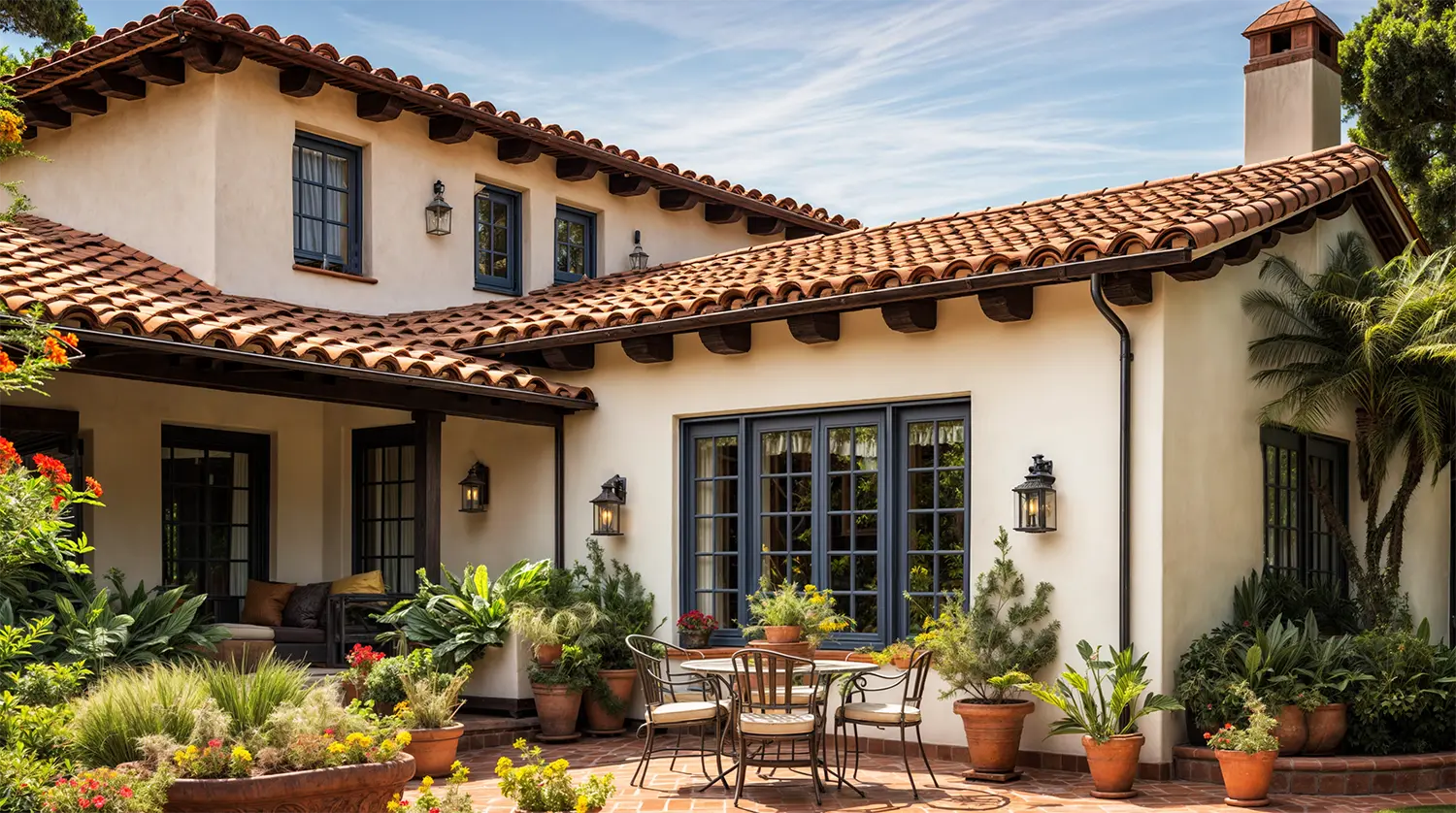
How Does the Historic Landmarks Commission Review Window and Door Changes?
Historic home renovation rules in Santa Barbara are enforced by the Historic Landmarks Commission, which reviews exterior changes to historic properties, including windows and doors. The Commission checks that new work matches the building’s historic character and approves it only when the change will not cause a substantial adverse change to the property’s historic significance.
Bella View Window & Doors has installed windows and doors across Santa Barbara, Montecito, Goleta, and Carpinteria since 1982, and understanding how the Historic Landmarks Commission thinks is a big part of getting historic projects approved. Bella View is also the only company in the area selling a window line that meets the approval standards of Santa Barbara’s historic district, so homeowners start the review process with a product built for exactly what the Commission wants to see.
Request a free historic window and door consultation
What Is the Santa Barbara Historic Landmarks Commission?
The Historic Landmarks Commission, often called the HLC, is the City of Santa Barbara’s design review body for historic resources. It has nine members, including licensed architects, a professional architectural historian, and a landscape architect, all with demonstrated knowledge of Santa Barbara’s history and architecture.
Santa Barbara’s preservation roots run deep. In 1959, the State of California gave local communities the power to create historic districts, and that same year the City created El Pueblo Viejo, which means “the old town,” covering much of downtown and the waterfront. A 1993 City Charter amendment established the Historic Landmarks Commission in its current form and expanded El Pueblo Viejo Landmark District.
The HLC reviews exterior alterations only. It does not review interior changes, so a kitchen remodel will not come before the Commission, but a new front door or a set of replacement windows on a historic home very well may.
Which Window and Door Projects Does the Historic Landmarks Commission Review?
The HLC reviews window and door changes on historic resources, including City Landmarks, Structures of Merit, and properties in historic or landmark districts such as El Pueblo Viejo. Minor projects may be approved at the staff level, but work on Landmarks, Structures of Merit, and projects needing public notice goes to the Commission.
These are the most common window and door projects that end up in front of the HLC.
- Replacing original windows on a designated Landmark or Structure of Merit
- Changing window materials, such as swapping wood for another material
- Altering the size, shape, or placement of window or door openings
- Replacing historic entry doors, garage doors, or French doors
- Adding new windows or doors to a historic facade
- Installing vinyl windows where none existed before, which is not eligible for streamlined staff approval
If you are not sure whether your home is a historic resource, the City’s Architectural Historian evaluates any building over 50 years old before a window permit is approved. That evaluation tells you which level of review your project needs.
What Does the HLC Look for in Replacement Windows?
The HLC looks for replacement windows that match the originals in material, design, and detail. Reviewers pay close attention to frame material, divided lite patterns, sash profiles, glass type, and the way the window opens, because windows are among the most visible character-defining features of a historic building.
The Commission’s design guidelines favor wood or traditional steel and iron frames. When a home has divided lite windows, the mullions on dual-glazed replacements should break the exterior pane, so the window reads as true divided glass from the street rather than a single sheet with a flat grid behind it.
Reviewers typically evaluate these window details.
- Frame material. Wood and traditional steel or iron are preferred.
- Divided lites. The number and pattern of panes should match the original.
- Muntin profile. Muntins on dual-glazed units should read on the exterior of the glass.
- Sash and trim profiles. Molding shapes and sash widths should match what was there.
- Operation. A double-hung window should stay double-hung, and a casement should stay a casement.
- Placement in the wall. The window’s depth and relationship to the wall surface should stay consistent with the original.
What Does the HLC Look for in Replacement Doors?
Doors get the same careful review as windows. The HLC wants replacement doors that fit the architectural style of the building, use appropriate materials, and match existing patterns. When nearby windows have divided lites, new doors and sidelights should be divided to match.
Entry doors, French doors, and garage doors all shape how a historic home looks from the street. A solid wood plank door on a Spanish Colonial Revival home, a glazed Craftsman door on a Westside bungalow, and a pair of divided lite French doors opening to a courtyard each carry the character of their era. Swapping any of them for a modern flush door or a plain slab of glass can change the whole facade.
Door details the Commission commonly considers include panel design, glass pattern, frame material, hardware style, and whether sidelights and transoms match the rest of the home’s fenestration.
What Materials Are Not Allowed in El Pueblo Viejo?
The HLC’s design guidelines do not allow aluminum, anodized metal, or other shiny or unpainted metal windows in El Pueblo Viejo Landmark District. Vinyl also faces tight limits, and adding vinyl windows where none existed before cannot be approved through the streamlined staff process.
El Pueblo Viejo is the heart of Santa Barbara’s historic core, centered on the area around the Royal Presidio, which dates to 1782. The district’s guidelines protect the Spanish Colonial Revival and Mission-era character that makes downtown Santa Barbara so recognizable. That character depends on materials that look handcrafted and substantial, not mass-produced.
Other areas of the city have their own design guidelines, including the Lower Riviera Special Design District, often called the Bungalow District, and the Upper State Street Area. Each has its own expectations, which is one more reason to work with a team that knows the local rules.
What Are the Stages of Historic Landmarks Commission Review?
Larger HLC projects can move through several stages, including Concept Review, Project Design Approval, In-Progress Review, and Final Approval. Smaller projects may go on the Consent Calendar for streamlined review. Most simple window and door replacements move faster than new construction, but the same principles apply.
- Concept Review. The applicant presents the general design, and the Commission gives early feedback before details are finalized.
- Project Design Approval. The Commission evaluates the detailed design against its compatibility criteria and the applicable design guidelines.
- In-Progress Review. On some projects, the Commission checks details as the work develops.
- Final Approval. The Commission confirms the final details, such as materials, colors, and finishes.
- Consent Calendar. Minor projects may be reviewed in a streamlined format without a full presentation.
For a step-by-step look at how an entire historic window project unfolds, from the first measurement through the final City inspection, see our guide on what a historic window project in Santa Barbara looks like from start to finish.
What Is the Difference Between Consent Calendar and Full Commission Review?
Consent Calendar review is a streamlined path for minor projects that clearly meet the guidelines, handled without a full hearing presentation. Full Commission review is a public hearing where the applicant presents the project, the public can comment, and the Commission discusses the design before deciding.
A well-prepared window or door project that uses appropriate materials and matches the original details is far more likely to move smoothly. Projects that raise questions about materials, proportions, or compatibility are more likely to need full review, and they can be continued to a later meeting if the Commission wants changes.
What Happens at a Historic Landmarks Commission Hearing?
HLC hearings are public meetings with a posted agenda. Items generally follow a set sequence that includes a staff presentation, an applicant presentation, public comment, questions from commissioners, and Commission discussion before a decision.
Agendas are posted at least 72 hours before each meeting, as required by California’s open meeting law. Neighbors and interested parties can submit written comments, and the Commission encourages email submissions so they arrive in time to be considered.
For homeowners, the hearing is the moment when preparation pays off. Clear photographs of existing conditions, accurate drawings, and manufacturer details for the proposed windows or doors help commissioners understand the project quickly and focus on the design itself.
What Findings Must the HLC Make to Approve a Window or Door Project?
Before approving a project, the HLC must find that the alteration will not cause a substantial adverse change to the historic significance of the property and that the design is consistent with the design guidelines that apply to its location. Without those findings, the Commission cannot approve the work.
This is why product choice matters so much. A window or door that matches the original in material and detail gives the Commission a clear basis for making its findings. A product that departs from historic character forces commissioners to weigh whether the change is acceptable, which often leads to requests for revisions.
What Happens If the HLC Continues or Denies a Project?
If the HLC continues a project, the applicant revises the design based on the Commission’s comments and returns at a later meeting. If the HLC denies a project, the applicant can file an appeal with the City Council or submit a revised design.
Continuances are common and not a failure. They usually mean the Commission likes the general direction but wants a specific detail changed, such as a muntin profile, a frame material, or a door style. Each continuance adds time, though, which is why starting with a product that already meets historic district standards can save weeks or months.
How Do the Secretary of the Interior’s Standards Shape HLC Decisions?
The Secretary of the Interior’s Standards for the Treatment of Historic Properties are national guidelines for preserving and rehabilitating historic buildings. The HLC references them in its design guidelines, and they generally favor repairing historic features first and replacing them in kind only when they are too deteriorated to save.
In practice, that means the Commission often asks whether original windows and doors can be repaired before approving replacement. When replacement is justified, the new work should match the old in design, color, texture, and, where possible, materials. The City of Santa Barbara follows the same approach, recommending that original windows on historic buildings be maintained and repaired and replaced only when they are beyond repair.
Why Does the Right Window Make Historic Landmarks Commission Review Easier?
The easiest HLC reviews start with a window that already meets historic district standards. When the product matches what the guidelines call for, the Commission has a clear basis for approval, and the project is less likely to face revisions, continuances, or a denial.
Bella View Window & Doors is the only company in the area selling a window line that meets the approval standards of Santa Barbara’s historic district. That gives homeowners a real advantage. Instead of searching for a product that might pass review and hoping for the best, owners of historic homes can start with a window designed for the standards the HLC applies.
The Commission still reviews each project on its own merits, and the final decision always rests with the City. The right product simply gives your application the strongest possible start.
How Do Our Santa Barbara Window Installers Prepare Projects for HLC Review?
Bella View Window & Doors prepares historic window and door projects with the Commission’s priorities in mind. The team documents existing conditions, recommends historically appropriate products, and assembles the details reviewers need, so homeowners walk into review with a strong, complete project.
- Document existing conditions. Our Santa Barbara window installers photograph every elevation and each window and door in the project.
- Assess repair versus replacement. The team notes which features can be saved and which truly need replacement.
- Match the original details. Bella View recommends products that match original materials, lite patterns, profiles, and operation.
- Provide product specifications. The team supplies manufacturer details and profile information for the City’s review.
- Support revisions. If the Commission asks for changes, Bella View helps adjust the product selection to address its comments.
- Install with care. Once approved, crews install the windows and doors while protecting historic trim, plaster, and finishes.
Why Choose Bella View Window & Doors for Historic Window and Door Projects in Santa Barbara?
Bella View Window & Doors pairs more than four decades of South Coast experience with the only historic-district-approved window line sold in the area. Homeowners get a local team that understands Santa Barbara architecture, the Historic Landmarks Commission, and the products that fit both.
Founded in 1982, Bella View has earned numerous manufacturer awards and works on residential, commercial, and city projects throughout the region. Historic homes demand patience, precision, and respect for the details that make them special. Constant communication keeps homeowners informed at every stage, from the first assessment to the final installation.
Ready to Plan Your Historic Window or Door Project in Santa Barbara?
If your home is a Landmark, a Structure of Merit, or part of El Pueblo Viejo or another historic district, the Historic Landmarks Commission will likely review your window and door changes. Bella View Window & Doors can help you choose the right product and prepare a project built for approval.
Visit Bella View Window & Doors at 310 Pine Ave, Suite C, Goleta, CA 93117, serving Santa Barbara, Montecito, Goleta, and Carpinteria. License #1121282.
Schedule your historic window and door consultation today
This article is for general information only. Historic Landmarks Commission procedures, design guidelines, and permit requirements change over time and vary by property. Confirm current requirements with the City of Santa Barbara before starting any project.