

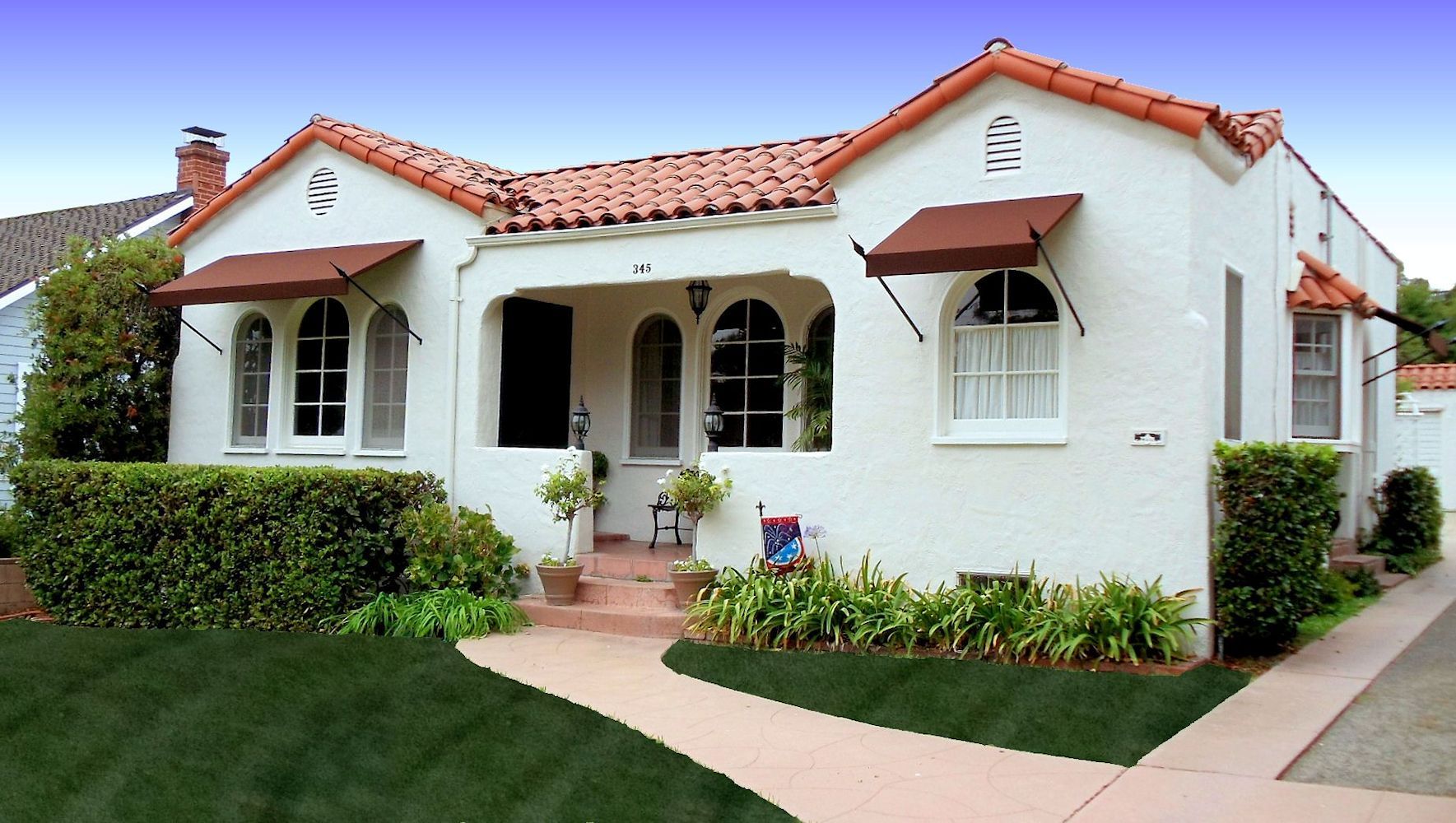
What Are the Best Windows for Coastal Homes in Santa Barbara?
The best windows for coastal homes in Santa Barbara resist salt air, moisture, and strong sun without warping, corroding, or fading. Fiberglass windows and well-finished clad wood windows are top choices for most homes near the ocean, while quality vinyl can work in the right location. Corrosion-resistant hardware and a proper installation matter just as much as the frame.
Bella View Window & Doors has helped homeowners in Santa Barbara, Montecito, Goleta, and Carpinteria choose and install replacement windows since 1982. Living along the South Coast means dealing with marine fog, salty breezes, and year-round sun, and our Santa Barbara window installers see firsthand which products hold up and which start failing after a few seasons. This guide walks through the materials, features, and local rules that should shape your choice.
Request a free coastal window consultation
Which Window Materials Hold Up Best on the Santa Barbara Coast?
Fiberglass and clad wood windows generally hold up best on the coast. Fiberglass resists salt, moisture, and heat with little movement, and clad wood pairs a warm wood interior with a durable exterior shell. Quality vinyl is a budget-friendly option in many spots, while bare aluminum and unprotected wood need the most care.
Here is a quick look at how the most common window materials perform near the ocean.
- Fiberglass windows. Strong, stable, and highly resistant to salt air and moisture. A top pick for homes close to the water.
- Clad wood windows. Wood interiors with aluminum or fiberglass cladding outside. Beautiful and durable when the exterior finish is built for coastal exposure.
- Vinyl windows. Affordable and low maintenance. Quality varies widely, and cheaper frames may not handle intense sun and heat as well.
- Aluminum windows. Slim and strong, but salt air can attack the metal and hardware unless the finish is designed for coastal conditions.
- Wood windows. Classic and often required on historic homes, but they need regular painting and sealing to stand up to moisture.
The right answer for your home depends on how close you are to the water, which way your windows face, your home’s architectural style, and your budget.
What Does Salt Air Do to Windows?
Salt air carries tiny salt particles that settle on frames, glass, and hardware. When that salt mixes with moisture from marine fog, it speeds up corrosion on metal parts, degrades finishes, and can wear out seals. Over time, windows can become harder to open, leak air, and lose their appearance.
Santa Barbara’s marine layer makes this worse. Morning fog coats windows with moisture day after day, and the salt that comes with it does not simply wash away. Homes in areas like the Mesa, Hope Ranch, Summerland, Carpinteria, and the beachfront neighborhoods of Montecito see the heaviest exposure, but salt can travel well inland on a steady ocean breeze.
The most common coastal window problems include these.
- Pitting and corrosion on aluminum frames and metal hardware
- Rusted hinges, locks, and operators that stick or fail
- Chalky, faded, or peeling exterior finishes
- Worn weatherstripping that lets in drafts and moisture
- Wood rot where paint or sealant has failed
Are Fiberglass Windows a Good Choice for Coastal Homes?
Yes. Fiberglass windows are one of the best options for coastal homes. Fiberglass does not rust, rot, or corrode, and it expands and contracts at a rate similar to glass, which helps seals stay tight through temperature swings. Many fiberglass frames can also be painted to match a home’s style.
That stability is a big deal on the South Coast. A window facing the ocean may sit in cool fog in the morning and bake in direct sun all afternoon. Materials that move a lot with those changes put stress on seals and joints. Fiberglass stays steady, so the window keeps performing and looking good for years.
Fiberglass windows usually cost more than vinyl, but for homes with direct ocean exposure, their durability often makes them the better long-term value.
Which Is Better on the Coast, Fiberglass or Vinyl Windows?
For homes with heavy ocean exposure, fiberglass usually outperforms vinyl because it is stronger, more stable in heat, and less likely to warp or fade. Vinyl windows cost less and resist salt well, so quality vinyl can be a smart choice for homes farther from the water or on a tighter budget.
Vinyl does not corrode, which is a real advantage near the ocean. The concern with vinyl is sun and heat. Lower-quality vinyl frames can expand, warp, or discolor under strong sun, especially in darker colors. Higher-quality vinyl windows with reinforced frames and UV-resistant formulas perform much better.
- Choose fiberglass for oceanfront and bluff-top homes, large windows, dark frame colors, and long-term durability.
- Choose quality vinyl for homes a bit farther inland, lighter frame colors, and projects where budget matters most.
One important exception is fire risk. In Santa Barbara’s high fire hazard areas, the City’s Building and Safety Division and Fire Department have recommended against vinyl-framed windows, which is covered in more detail below.
Do Wood Clad Windows Hold Up in Salt Air?
Wood clad windows can hold up very well in salt air when the exterior cladding and finish are built for coastal conditions. Aluminum clad wood windows and fiberglass clad wood windows protect the wood from weather while keeping the warmth of real wood inside the home.
Clad wood is a popular choice for custom homes and higher-end remodels in Montecito and Hope Ranch, where homeowners want natural wood interiors without the upkeep of exposed wood outside. The key is the exterior finish. Ask whether the cladding uses a high-performance coating designed for coastal environments, and whether the manufacturer’s warranty covers homes near salt water, since some warranties limit coverage close to the ocean.
Proper installation matters too. Any spot where water can get behind the cladding and reach the wood can lead to rot, so careful flashing and sealing are essential.
Should You Avoid Aluminum Windows Near the Beach?
Not always, but standard aluminum windows are rarely the best choice right on the coast. Salt air can corrode aluminum and its hardware, and aluminum conducts heat and cold easily. If you want the slim look of metal, choose windows with coastal-grade finishes and thermal breaks.
Aluminum’s slim frames are popular for modern homes with big ocean views. Newer aluminum windows with high-performance finishes and thermal breaks perform far better than older builder-grade aluminum. Even so, they need more regular rinsing and care near the beach than fiberglass or vinyl.
Keep in mind that shiny or unpainted metal windows are not allowed in El Pueblo Viejo Landmark District, so aluminum is usually off the table for historic downtown properties.
What Hardware and Features Matter Most for Coastal Windows?
Hardware is often the first thing to fail on coastal windows. Look for stainless steel or coated hardware designed for salt exposure, durable weatherstripping, good drainage, and glass packages that manage sun and heat. These features protect the window and keep it working smoothly for years.
- Corrosion-resistant hardware. Stainless steel or coastal-rated hinges, locks, and operators resist rust.
- Quality weatherstripping. Tight seals keep out wind-driven rain, fog, and drafts.
- Effective drainage. Well-designed weep systems let water escape instead of collecting in the frame.
- Low-E glass. Low-emissivity coatings reduce heat gain and fading from strong sun.
- Durable exterior finishes. High-performance coatings resist chalking and fading.
- Coastal warranty coverage. Confirm the warranty applies to homes near salt water.
How Energy Efficient Do Windows Need to Be in Santa Barbara?
Replacement windows in California must meet the state’s Title 24 energy standards, which limit how much heat a window lets in and out. Santa Barbara’s mild climate means sun control often matters more than keeping out cold, so energy efficient windows with good Low-E coatings are a smart choice.
Every compliant window carries a label from the National Fenestration Rating Council, or NFRC, that lists its U-factor and Solar Heat Gain Coefficient. A lower U-factor means better insulation, and a lower Solar Heat Gain Coefficient means less heat from the sun passes through. For south- and west-facing windows that catch strong afternoon light, good solar control keeps rooms more comfortable and protects floors and furniture from fading.
The City of Santa Barbara requires a building permit for all window replacements, and part of that process confirms your new windows meet California energy requirements. The permit review also checks bedroom egress, safety glazing, and other code items.
Do Fire Rules Affect Window Choices in Montecito and the Foothills?
Yes. Homes in Santa Barbara’s high fire hazard areas face extra glazing rules. City guidance calls for dual-glazed windows with at least one tempered pane, glass block, or 20-minute fire-rated windows, and it strongly recommends against vinyl-framed or vinyl-coated windows in these areas.
Many South Coast homes sit where ocean exposure and wildfire risk overlap, especially in the foothills above Santa Barbara and Montecito. For those homes, the best coastal window also has to be a fire-smart window. Fiberglass and clad wood options with tempered dual glazing often satisfy both concerns.
Fire hazard maps and requirements can change, and the rules for new construction, remodels, and replacements can differ. Our Santa Barbara window installers check your property’s requirements before recommending a product.
What If Your Coastal Home Is Also in a Historic District?
Historic homes near the coast need windows that handle salt air and still satisfy historic review. Santa Barbara’s historic guidelines favor wood and traditional steel or iron frames, divided lites that match the originals, and details true to the home’s architecture.
Bella View Window & Doors is the only company in the area selling a window line that meets the approval standards of Santa Barbara’s historic district. That gives owners of historic coastal homes a way to upgrade performance while respecting the look the Historic Landmarks Commission wants to protect. For more on that process, see our guides on how the Historic Landmarks Commission reviews window and door changes and what a historic window project in Santa Barbara looks like from start to finish.
How Do You Keep Coastal Windows Looking New?
Regular cleaning is the best defense against salt damage. Rinse frames and hardware with fresh water every few weeks, clean tracks and weep holes, check weatherstripping each year, and lubricate moving parts with a product the manufacturer recommends. Small habits add years to a window’s life.
- Rinse frames, glass, and hardware with fresh water to wash away salt buildup
- Wipe tracks and clear weep holes so water can drain
- Inspect weatherstripping and seals for cracks or gaps
- Lubricate hinges, locks, and operators as recommended by the manufacturer
- Touch up paint or sealant on wood windows before moisture gets in
- Follow the manufacturer’s care instructions to keep your warranty valid
How Do Our Santa Barbara Window Installers Choose Windows for Coastal Homes?
Bella View Window & Doors matches each home to the right window by looking at ocean exposure, sun, fire risk, architecture, and budget. The team then handles measuring, permitting, installation, and cleanup, so homeowners get windows that fit the home and stand up to coastal conditions.
- Assess the site. Our Santa Barbara window installers note distance from the ocean, wind and sun exposure, and any fire or historic requirements.
- Recommend the right material. The team explains the tradeoffs between fiberglass, clad wood, vinyl, and other options for your home.
- Select coastal features. Bella View recommends corrosion-resistant hardware, the right glass package, and durable finishes.
- Handle permits. The team helps prepare what the City needs for the required building permit.
- Install with care. Installers re-measure each opening, install with careful flashing and sealing, and test every window.
- Walk you through care. Crews clean up and show you how to operate and maintain your new windows.
Why Choose Bella View Window & Doors for Coastal Window Replacement in Santa Barbara?
Bella View Window & Doors brings more than four decades of South Coast experience to every project. The team knows how salt air, fog, sun, and local codes affect windows in Santa Barbara, and it offers the only historic-district-approved window line sold in the area for owners of historic homes.
Founded in 1982, Bella View has earned numerous manufacturer awards and serves residential, commercial, and city projects across the region. Installers typically complete a home in a day, often in just a few hours, and clear communication keeps homeowners informed from the first visit to the final walkthrough.
Ready to Find the Best Windows for Your Coastal Home?
Whether you live on the bluffs of the Mesa, near the beach in Carpinteria, or in the foothills of Montecito, Bella View Window & Doors can help you choose windows built for Santa Barbara’s coast. Schedule a consultation to compare materials, features, and pricing for your home.
Visit Bella View Window & Doors at 310 Pine Ave, Suite C, Goleta, CA 93117, serving Santa Barbara, Montecito, Goleta, and Carpinteria. License #1121282.
Schedule your coastal window consultation today
This article is for general information only. Building, energy, fire safety, and historic preservation requirements change over time and vary by property. Confirm current requirements with the City of Santa Barbara or your local building department before starting any project.